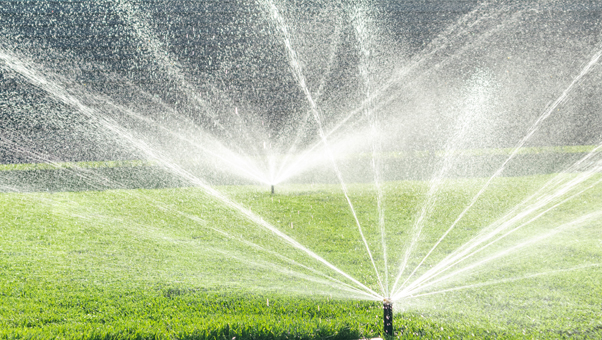
Whether you are managing a small home vegetable patch, keeping a sprawling suburban lawn lush, or overseeing crops, there are few things more frustrating than turning on your irrigation system only to watch water trickle weakly out of the heads.
When sprinklers lack throw distance or drip emitters deliver uneven coverage, the culprit is rarely the pipes; it is usually water pressure. That is where an irrigation booster pump comes in.
Here is a practical, easy-to-understand breakdown of what booster pumps do, how to know if you need one, and what to keep in mind when choosing the right unit for your setup.
In this article, we will discuss:
- What does an irrigation booster pump do?
- 3 Signs your irrigation system needs a boost
- Does drip irrigation require a pump?
- Key benefits of getting your pressure right
- Choosing the right pump
- Irrigation pump sizes
- Irrigation pump prices
- The best irrigation booster pumps from AfriPumps
- How an irrigation start relay works
- Farm irrigation systems
What Does an Irrigation Booster Pump Actually Do?
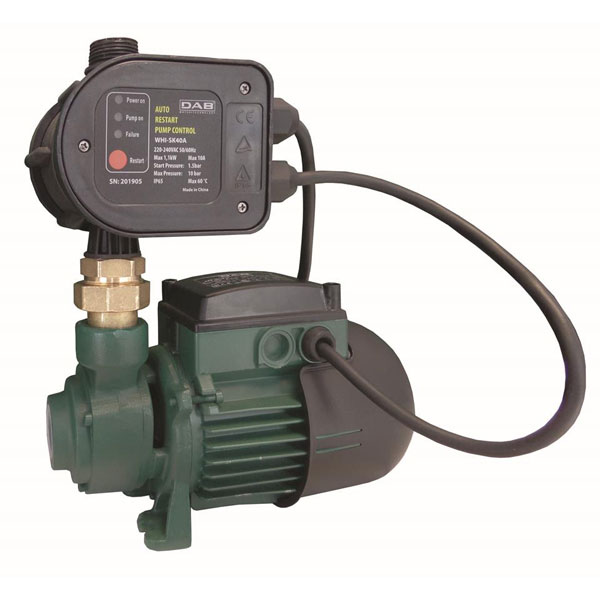
Think of a booster pump like a power steering system for your water line.
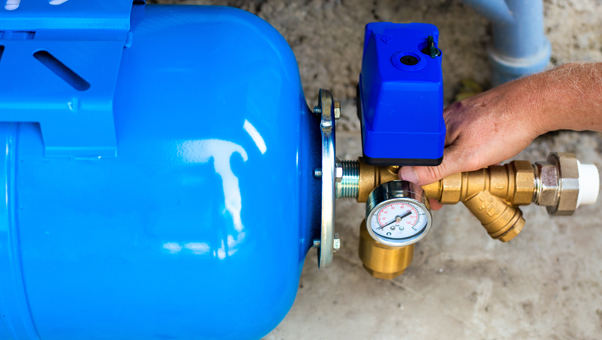
A standard water pump moves water from point A (like a borehole, river, or storage tank) to point B. A booster pump, on the other hand, takes water that is already flowing and gives it the extra push needed to reach your desired operating pressure.
If your current setup delivers enough volume (litres per minute) but lacks the strength (bar or PSI) to pop up sprinkler heads, push water uphill, or run multiple irrigation zones at once, a booster pump bridges that gap.
3 Clear Signs Your Irrigation System Needs a Boost
Not every low-pressure issue requires a new piece of hardware, but these three signs usually indicate a booster pump is the right fix:
- Uneven spray coverage & dry spots: Sprinklers only cover half their rated distance, leaving dry patches near the outer edges of your lawn or crop zones.
- Pressure drops when multiple zones run: The system works fine for one small line, but opening a second zone causes water flow to drop dramatically.
- Elevated terrain: Your water storage tank or mainline sits downhill from the garden or field, meaning gravity is constantly working against your water flow.
Does Drip Irrigation Require a Pump?
No, drip irrigation does not strictly require a pump. Standard drip irrigation components only need 10 to 30 PSI (0.7 to 2.1 bar) of water pressure to operate effectively.
Whether you need a pump depends entirely on where your water comes from and how you route it.
When You Do NOT Need a Pump
- Municipal household tap water: Standard home water supply delivers between 40 and 80 PSI. This is more than enough pressure; in fact, municipal supply usually requires a pressure regulator (typically 15–25 PSI) attached to the tap to prevent the fittings and drip emitters from blowing off.
- Gravity-fed systems (raised tanks/rain barrels): If you collect water in a storage tank elevated above your garden bed, elevation generates natural water pressure (0.433 PSI per foot of height or ~0.1 bar per meter). Raising a tank 1.5 to 3 meters (5 to 10 feet) above ground provides sufficient head pressure for specialised low-pressure/gravity drip emitters or micro-soaker lines.
When You DO Need a Pump
- Surface water & boreholes: Drawing water from a dam, river, well, or unpressurized rainwater tank sitting at ground level requires a pump to lift and push the water into the distribution tubing.
- Large agricultural layouts or long tubing runs: Friction loss inside long mainlines reduces line pressure over distance. A booster pump ensures even pressure distribution so emitters at the end of the line discharge at the same rate as those near the source.
- Uphill elevation changes: If your water source sits lower than your garden beds, gravity works against you, necessitating a booster pump to push water uphill.
Key Benefits of Getting Your Pressure Right
Installing the correct booster pump isn’t just about making your sprinklers look powerful; it directly impacts your water bill and plant health:
- Better water distribution: When sprinklers operate at their intended pressure, they create fine droplets rather than big, uneven drips, ensuring water soaks into the root zones evenly.
- Lower energy costs (with VSD technology): Modern booster pumps equipped with Variable Speed Drives (VSD) automatically adjust their power output based on real-time water demand. Instead of running flat-out, they only use the electricity required for the open zones, saving power in the long run.
- Longer equipment life: Operating irrigation components below or well above recommended pressures puts stress on valves, fittings, and sprinkler heads. Consistent, regulated pressure keeps everything running smoothly for longer.
How To Choose an Irrigation Pump: A Quick Checklist
Before purchasing a booster pump, take a moment to gather a few key details about your system:
- Required Flow Rate (L/min): How much water do all your open sprinklers or emitters consume simultaneously?
- Required Pressure (Bar/PSI): What operating pressure do your specific sprinkler heads or drip lines specify on their packaging?
- Power Source: Do you need a single-phase (230V) unit for a home or small property, or a three-phase system for commercial/agricultural applications?
Getting these basic numbers right ensures you don’t underpower your system or overspend on a pump that is larger than necessary.
Irrigation Pump Sizes for Gardens and Small Farms
| Motor Rating (kW) | Equivalent (HP) | Typical Application |
|---|---|---|
| 0.37 kW | 0.5 HP | Peripheral tank booster pump, small single-zone drip line |
| 0.55 kW | 0.75 HP | Standard home garden booster pump, 20mm–25mm pipe runs |
| 0.75 kW | 1.0 HP | Multi-zone residential sprinkler systems, small borehole extractions |
| 1.1 kW | 1.5 HP | High-pressure lawn sprinkler zones, smallholding irrigation |
| 1.5 kW – 2.2 kW | 2.0 – 3.0 HP | Market gardens, large agricultural booster systems, deep boreholes |
Municipal Tap Water: Urban SA municipal supply ranges between 3.0″ bar” and 5.0″ bar” (300″–“500″ kPa”).
Drip irrigation off a tap requires a 1.5″ bar” pressure regulator.
Storage Tanks (JoJo / Eco Tanks): A full 5,000″L” tank sitting flat on a concrete slab provides less than 0.2″ bar”
(20″ kPa” ) of natural pressure at the outlet—meaning an inline booster pump (0.37 kW to 0.75 kW) is almost always required for active irrigation.
Irrigation Pump Prices
| Model | Power Output | Key Features | Approx. Price (Incl. VAT) |
|---|---|---|---|
| DAB KPF 30/16M Auto | 0.37 kW (220V) | Peripheral booster with auto-restart controller | *R2,614 – R2,800 |
| DAB Jet 102 M | 0.75 kW (220V) | Self-priming cast iron jet pump | *R3,235 – R3,500 |
| Grundfos Scala2 3-45 | Variable Speed | Integrated constant-pressure booster | *R10,200 – R11,500 |
| Tesk PMC 4-30 | 0.9 kW (220V) | Intelligent VSD system with LCD display | *R12,590 – R13,000 |
| DAB E.Sybox Mini3 | 0.75 kW (220V) | Multi-stage inverter pump with water cooling | *R12,689 – R13,000 |
| DAB 4OC Motors | 0.55 kW – 2.2 kW | 4" Oil-filled submersible motor & control box | *R2,550 – R5,000 |
| Ebara OPTIMA | 0.25 kW (220V) | Stainless steel clean water pump with float switch | *R5,474 – R5,700 |
| Ebara IDROGO M40/12A | 0.9 kW (220V) | Multi-impeller clean water submersible for wells/tanks | *R11,210 – R11,700 |
*Prices as of September 2026
The Best Irrigation Booster Pumps from AfriPumps

Best Constant-Pressure VSD Pumps (Multi-Zone Drip & Sprinklers)
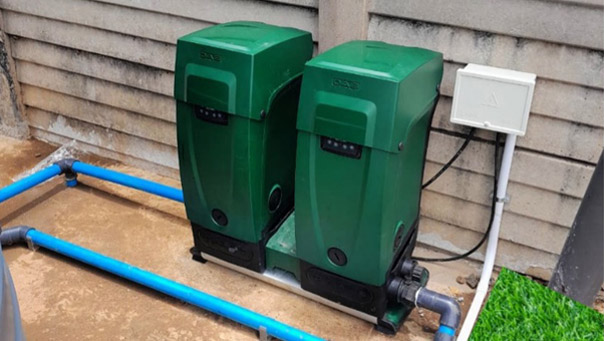
- DAB Esybox Series (Esybox Mini3 / Esybox Diver): Premium Italian inverter pumps equipped with variable speed drives (VSD). They automatically adjust motor speed to match real-time water demand, allowing you to run low-flow drip lines without over-pressurising pipes and switch to high-volume lawn sprinklers seamlessly. The Esybox Diver provides the same VSD performance inside a submersible tank housing.
- Grundfos Scala2 (3-45): A compact, self-priming waterworks pump with built-in sensors that adjust pressure automatically. It is extremely quiet, energy-efficient, and ideal for residential gardens fed from a water storage tank.
Best Value Surface Boosters (Storage Tanks & Standard Sprinklers)
- Zilmet ZIL Series (ZIL 10H / 4ZIL 100S with ZIL01 Controller): Budget-friendly automatic booster packages (0.75 kW to 0.92 kW) capable of delivering up to 5.1 bar operating pressure. They feature electronic controllers that start and stop the pump automatically when solenoid valves or garden taps open.
- DAB Jet Series (Jet 102 M): A 0.75 kW self-priming cast iron jet pump designed for high durability. It handles suction lift from shallow dams or tanks easily, supplying stable pressure to impact sprinklers and manual hose lines.
Best Submersible Pumps (Dams, Reservoirs & Rainwater Harvesting)
- Ebara IDROGO Series (e.g., M40/12A): Multi-stage stainless steel clean water submersibles engineered for quiet, high-head performance inside deep rainwater tanks or open wells.
- Zilmet V-Series (V550FC / V750FC / V1500FC): Cast iron submersible drainage pumps fitted with float switches. They are built to handle dirty water containing suspended solids, making them ideal for extracting water from farm dams, sumps, or rainwater collection pits for agricultural use.
How an Irrigation Start Relay Works
When used with an irrigation booster pump, a pump start relay (PSR) acts as an automated switch that supplies mains power to pressurise water from a storage tank (such as a JoJo tank) or low-pressure line only when an irrigation zone is actively watering.
Finding the Balance
A healthy, green landscape doesn’t happen by accident, but it also shouldn’t require constant troubleshooting. An irrigation booster pump is simply a reliable tool to ensure your water gets where it needs to go, efficiently and consistently.
If you need more help or advice, please reach out to our expert team for more information.
Farm Irrigation Systems
| Model | Power Output | Key Features | Approx. Price (Incl. VAT) |
|---|---|---|---|
| Zilmet V250FC / SPA750MF | 0.25 kW – 0.75 kW | Open-impeller clean water & drainage submersibles | *R2,000 – R3,300 |
| DAB S4 Borehole Ends | 0.37 kW – 1.5 kW | 4" Hydraulic wet end only (requires motor) | *R2,150 – R2,850 |
| DAB E.Sybox | 1.1 kW (220V) | High-efficiency variable speed booster | *R19,999 – R21,000 |
| DAB K 35/100M Auto | 1.1 kW (220V) | Centrifugal surface booster system | *R6,488 – R6,700 |
*Prices as of September 2026
Best High-Volume & Underground Pumps (Boreholes & Small Farms)
- DAB S4 Borehole Series (Paired with Tesla Motors): 4-inch multistage borehole units featuring stainless steel discharge ports and sand-resistant ABS impellers. Available in configurations from 0.37 kW up to 5.5 kW+ to lift underground water into holding tanks or direct mainline networks.
- Calpeda NM / Wilo Medana Series: Industrial horizontal multistage and close-coupled centrifugal pumps. Designed for continuous operation on smallholdings and farms requiring high flow rates across long pipe runs and overhead crop sprayers.
Next Steps
If you are unsure about flow calculations or sizing for your layout, AfriPumps is always here to help talk through your setup and point you toward a reliable, sensible solution tailored to your space.
Don’t hesitate to contact us with any questions.